

Dentures
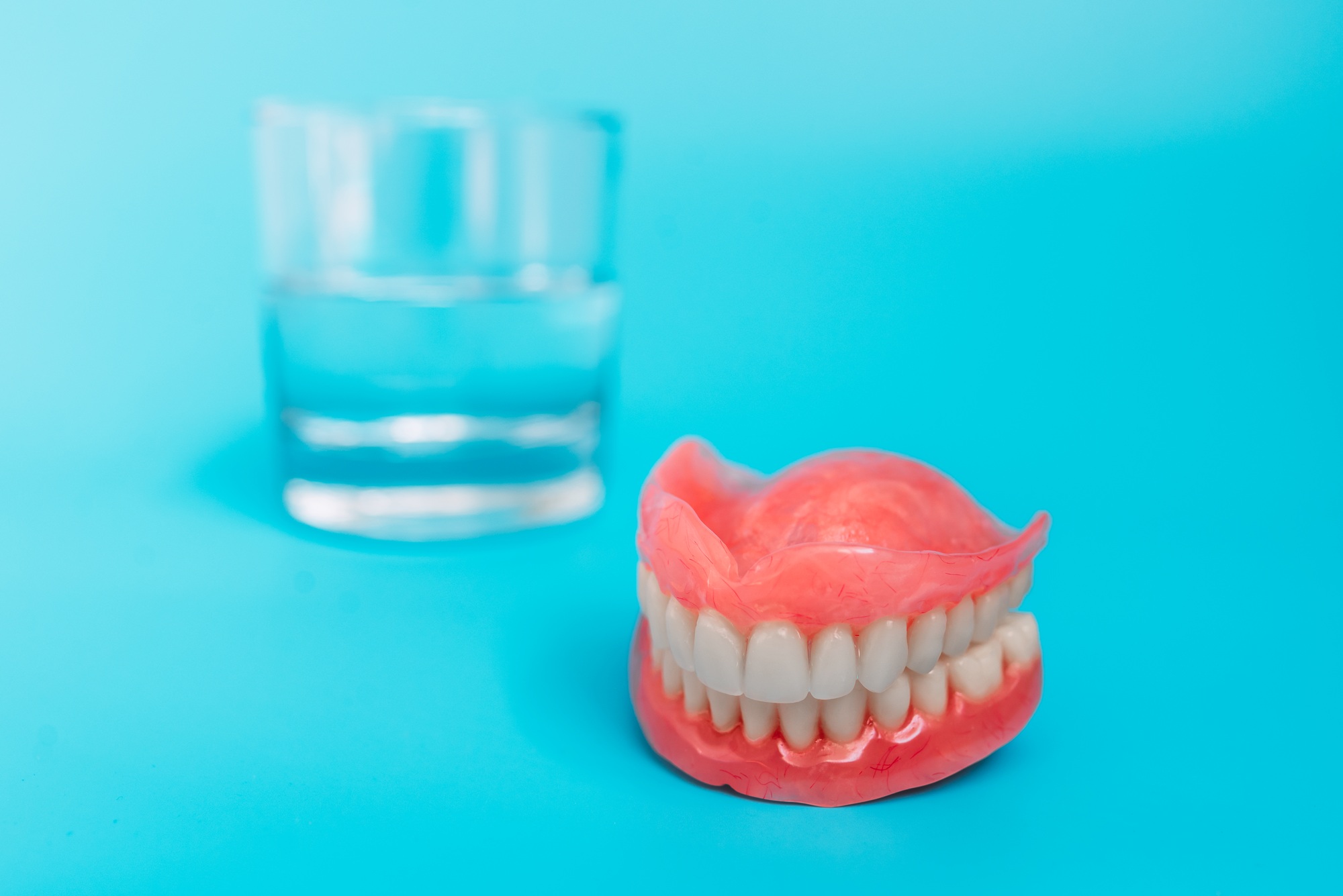
Dentures are a solution for those missing multiple or all teeth due to disease, decay, or injury. Partial dentures, removable and functional, rely on remaining teeth, gums, and jawbone for support. Full dentures are recommended when no teeth remain to ensure proper biting, chewing, and facial appearance. Modern dentures are designed for comfort, functionality, and a natural look.
How to Begin with Dentures?
Consult a dentist to determine if dentures are suitable for you.
Four Common Challenges with New Dentures
- Irritation Issues
New dentures may cause minor irritation, especially when eating. Your dentist can adjust them during follow-up visits. For severe irritation, remove dentures but wear them briefly before appointments to highlight problem areas. Multiple adjustments may be needed for a perfect fit.
- Fit and Comfort
Dentures, especially lower ones, may feel loose initially. Cheeks, lips, and tongue need time to adapt. Wearing dentures the first night helps, but removing them nightly afterward. Lower dentures are less secure than uppers. Denture adhesives (gels, pastes, strips) can aid confidence early on but aren’t typically needed long-term with well-fitted dentures.
- Eating Challenges
Eating with dentures requires practice. Start with soft foods like soups and eggs, avoiding tough foods initially. Gradually introduce harder foods. Tips:
- Cut food into small pieces.
- Avoid biting with front teeth to prevent dislodging.
- Chew with side and back teeth using a sideways motion.
- Distribute food on both sides for balance.
- Persist to enjoy a varied diet.
- Speech Adjustments
Speaking with dentures feels awkward initially, worsened by increased saliva for a few days. Practice speaking, especially tricky words, to regain normal speech quickly.
Speech Adjustments
Speaking with dentures feels awkward initially, worsened by increased saliva for a few days. Practice speaking, especially tricky words, to regain normal speech quickly.
Additional Considerations for New Dentures
Increased Saliva: Normal for a few days as your mouth adjusts.
Dislodgement: Coughing, sneezing, or yawning may shift dentures until you adapt.
Cleaning: Learning to clean dentures is a new skill requiring practice.
Long-Term Denture Care
Poor hygiene can lead to plaque buildup, gum disease, tooth decay, or fungal infections like thrush. Clean dentures thoroughly and remove them nightly. Rarely, some may be allergic to denture materials, requiring alternative plastics. A few may struggle with gagging or eating, needing extra support.
Need help ?
Schedule your initial consultation today and start your journey towards a pain-free, healthier smile. Contact us now!
