

Dental Filling
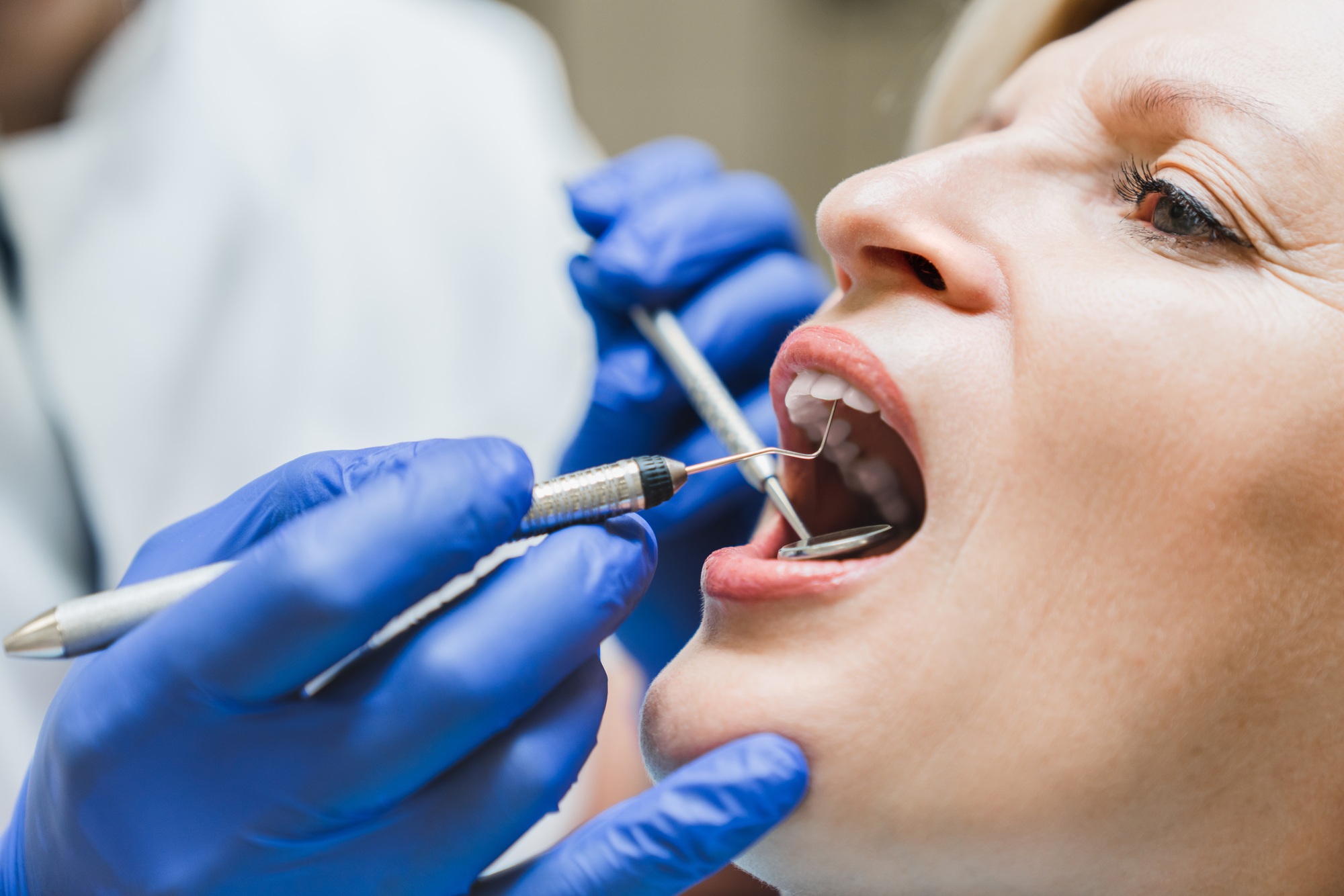
Traditional dental fillings, such as gold, porcelain, and composite, are valued for their strength and durability. These materials are particularly effective for posterior teeth, where restored teeth must withstand significant chewing forces.
Modern Dental Fillings
Modern fillings, including ceramic and composite resins, closely mimic the appearance of natural teeth. These are commonly used for anterior teeth where aesthetics are a priority, though they can also be applied to posterior teeth depending on the location and extent of decay.
Factors Influencing Dental Restoration Choices
Several factors impact the performance, durability, cost, and longevity of dental restorations, including:
- Materials Used: The type of filling material selected.
- Remaining Tooth Structure: The amount of natural tooth left after preparation.
- Placement Technique and Location:The method and site of the filling placement.
- Chewing Forces: The level of stress the restored tooth will endure.
- Treatment Timeline: The number of visits required for preparation and final placement.
Your dentist will discuss all available options to help you select the most appropriate filling based on your specific needs.
Types of Dental Fillings
Direct Fillings
Direct fillings, such as glass ionomers, resin ionomers, and composite resins, are applied directly into a prepared cavity during a single visit. The dentist prepares the tooth, places the filling material, and adjusts it in one appointment.
Indirect Fillings
Indirect fillings, including inlays, onlays, veneers, crowns, and bridges, typically require multiple visits. These restorations, crafted from materials like gold, base metal alloys, ceramics, or composites, are fabricated in a dental laboratory. During the initial visit, the dentist prepares the tooth, takes an impression, and places a temporary restoration. At a subsequent visit, the custom-made restoration is cemented into place and adjusted for fit and comfort.
Purpose of Dental Fillings
Dental fillings restore teeth damaged by decay, wear, or trauma. After removing compromised tooth structure, the dentist uses materials such as gold, amalgam, composite resin, or porcelain to restore the tooth’s function and appearance. The dental team at Friendly Dental of Somerset will evaluate each patient’s unique needs to determine the most suitable material for their restoration.
Need help ?
Schedule your initial consultation today and start your journey towards a pain-free, healthier smile. Contact us now!
